

Delta Executor ARM / 32-bit APK: Which Version for Your Phone
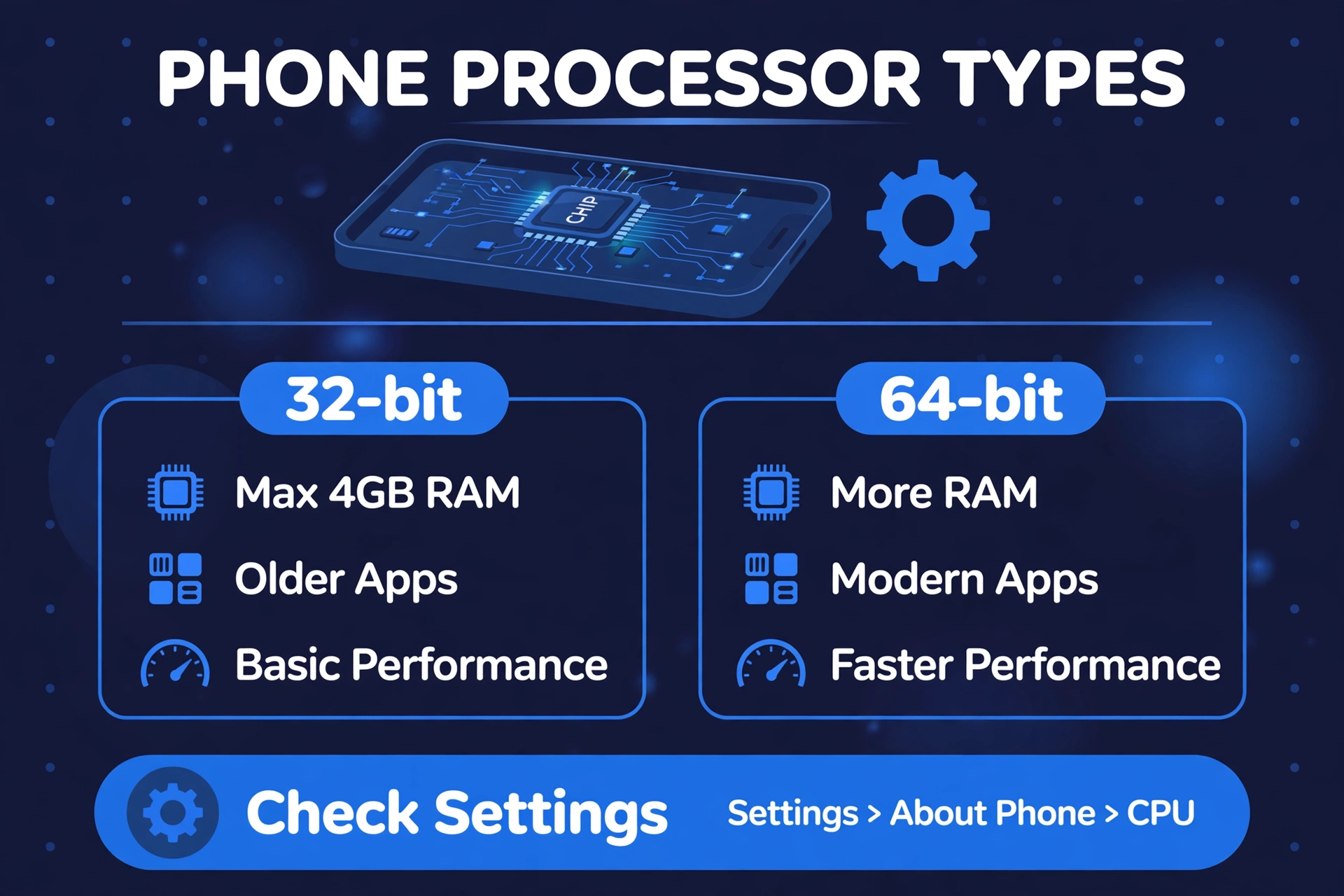
If you are looking for a Delta Executor ARM version or a Delta 32 bit APK, the right choice depends on one thing: the processor type inside your phone. This guide explains how to find that out and what to look for, without guessing.
This is an independent guide. We cannot confirm what builds are currently offered, so check the status page for the latest notes.
Quick Answers
| Question | Short answer |
|---|---|
| What does ARM mean in plain words? | ARM is a family of processor designs used in almost all phones and tablets. It is the “brain” type inside your device. |
| How do I know which type my phone is? | Open Settings, go to About phone, and look for processor, hardware, or CPU details. Look for wording about 32-bit or 64-bit. |
| What happens if I pick the wrong one? | The install may fail, the app may not open, or it may run poorly. Nothing is guaranteed either way. |
| What if I can’t tell? | Do not guess. Ask someone who knows your phone model, or look up the official specs for that exact model. |
What ARM and 32-bit mean in plain words (Delta Executor armeabi explained)
ARM is a processor family. Nearly every Android phone uses an ARM-based chip. So “ARM” on its own does not tell you much, because almost every phone qualifies.
The part that matters is the bit width. “32-bit” and “64-bit” describe how a processor handles information. Think of two roads: a 64-bit road is wider than a 32-bit one.
Older phones tend to be 32-bit. Newer phones are usually 64-bit. This is a general pattern, not a rule, and exceptions exist.
You may also see the label “armeabi” in download pages or file listings. People who search for Delta Executor armeabi are usually trying to find a build meant for 32-bit ARM phones. We cannot confirm how any given site uses that label, and a label alone proves nothing about what a file really is.
Apps are built for specific processor types. A build made for one type may not work on another. This is why the choice matters.
How to check your phone before choosing a Delta 32 bit APK
Menu names differ between brands and Android versions. The general route is below.
Open Settings. Scroll to About phone (sometimes About device or About tablet). Look for entries named Processor, Hardware information, CPU, or Chipset. Look for wording that mentions 32-bit or 64-bit, or for a chip name.
Some phones show the architecture directly. Others show only a chip name, such as a model number. In that case, you can search the official specifications for that exact chip or phone model.
Some phones also have a Software information page with extra details. It is worth a look if the first page is vague.
If the wording is unclear, do not guess. A wrong guess can cost you time and may push you toward files you cannot trust. Ask for help or check the phone maker’s official spec page for your model.
Also note that a phone can have a 64-bit chip while running a 32-bit version of Android. Some phones are set up that way. If your settings show mixed or confusing results, treat the answer as uncertain.
Which version to pick: the Delta Executor ARM version question
Use the table below as a general guide. It is not a promise that a specific build exists for your phone.
| Your phone type | What to look for | What to avoid |
|---|---|---|
| 64-bit phone | A build clearly described as made for 64-bit ARM devices | Files that give no clear information about which processor they target |
| 32-bit phone | A build clearly described as made for 32-bit ARM devices (the “armeabi” style label may appear) | Assuming a 64-bit build will work, and files with vague or mismatched labels |
| Unsure | Nothing yet. Confirm your processor type first | Picking a file at random, or choosing based only on a file name |
Two points apply to every row.
First, confirm the source before you think about the version. A correct version from an untrusted source is still a problem. Our download guide explains how to approach this.
Second, we cannot confirm which builds exist at any moment. If a page says a build is available, treat that as a claim to check, not a fact.
What happens if you pick the wrong one
Results vary from phone to phone. Here are the common outcomes in general terms.
The install may fail. Android may refuse to install a file that does not match your device. You might see a “not compatible” or “app not installed” message.
The app may not open. In some cases, the install finishes but the app closes right away or never starts.
Performance may suffer. The app might run slowly, stutter, or crash. This can happen for many reasons, so a wrong processor type is only one possible cause.
None of these outcomes is guaranteed. A file may fail on one phone and behave differently on another. The same symptoms can also come from low storage, low memory, or an outdated Android version.
If something goes wrong, remove the file, double-check your processor type, and review the status page for any current notes before you try again.
What NOT to do
Do not download from random sites. Unknown pages often reuse popular keywords to attract clicks. A professional-looking page proves nothing.
Do not trust a file just because its name contains ARM or 32-bit. Anyone can name a file anything. The name tells you nothing about what is inside.
Do not sideload files you cannot verify. If you cannot confirm where a file came from, leave it alone. Installing unknown files can put your phone and accounts at risk.
Do not ignore warnings. If your phone or a security tool flags a file, stop and reconsider.
Do not rush because a page says “limited time”. Pressure is a common tactic on untrustworthy pages.
When in doubt, wait. Taking an extra day to check is better than installing something you regret.
FAQ
Is ARM the same as Android?
No, ARM is not the same as Android. ARM is a type of processor, while Android is the operating system that runs on it. Most Android phones use ARM-based chips, which is why the two get mixed up.
Does 32-bit mean an older phone?
Often, but not always. A 32-bit label usually points to an older or lower-cost device. Some newer phones also ship with 32-bit software setups, so check your own settings instead of assuming.
Can a 64-bit phone run a 32-bit version?
Sometimes, but we cannot promise it. Many 64-bit phones can run 32-bit apps, though this depends on the phone and the Android version. Newer phones may be dropping that support. If you are unsure, look up your exact model.
How do I check on iPhone?
iPhones do not use Android APK files, so the 32-bit question usually does not apply in the same way. Modern iPhones are generally 64-bit. Look at your iPhone model and iOS version in Settings, then read a guide written specifically for iOS.
What if my phone shows different wording?
Different phone brands use different labels. You might see a chip name instead of “32-bit” or “64-bit”. If so, search for the official specifications of that chip or phone model. If you still cannot tell, treat the answer as unknown and do not guess.
Should I ask someone for help?
Yes, if you are unsure, asking is a good idea. A friend who knows Android, or the phone maker’s official support, can confirm your processor type. Do not accept help in the form of a file link from a stranger. Ask for the information, not a download.
Final thought
Choosing between a Delta Executor ARM version, a 32-bit build, or a 64-bit build comes down to one question: what processor type does your phone have? Check your settings, confirm the answer, and do not guess when the wording is unclear. For anything about sources and downloads, start with our download guide, and check the status page for current notes.