

There is no official Delta Executor iOS release, and Delta Executor is not on the App Store. Files described on this page are unofficial sideloaded files, not official releases.
Delta Executor iOS Sideload Guide (Revoke Cycle and Methods Compared)
This iOS sideload Delta Executor guide explains what a Delta Executor iOS sideload involves, why sideloaded apps stop opening, and how the general sideloading approaches differ. It does not claim a verified native iOS install method for Delta Executor, and it does not recommend any specific sideload tool.
Sideloading means installing an app on your iPhone or iPad without using the official App Store. Many iOS users ask about it because Delta Executor is widely discussed as a mobile and PC Roblox script executor, and iOS offers no obvious way to install apps from outside Apple’s store.
The honest position of this guide: there is no verified native iOS install method for Delta Executor claimed here. Anything you try is at your own risk, and no approach is guaranteed to work, stay working, or be safe.
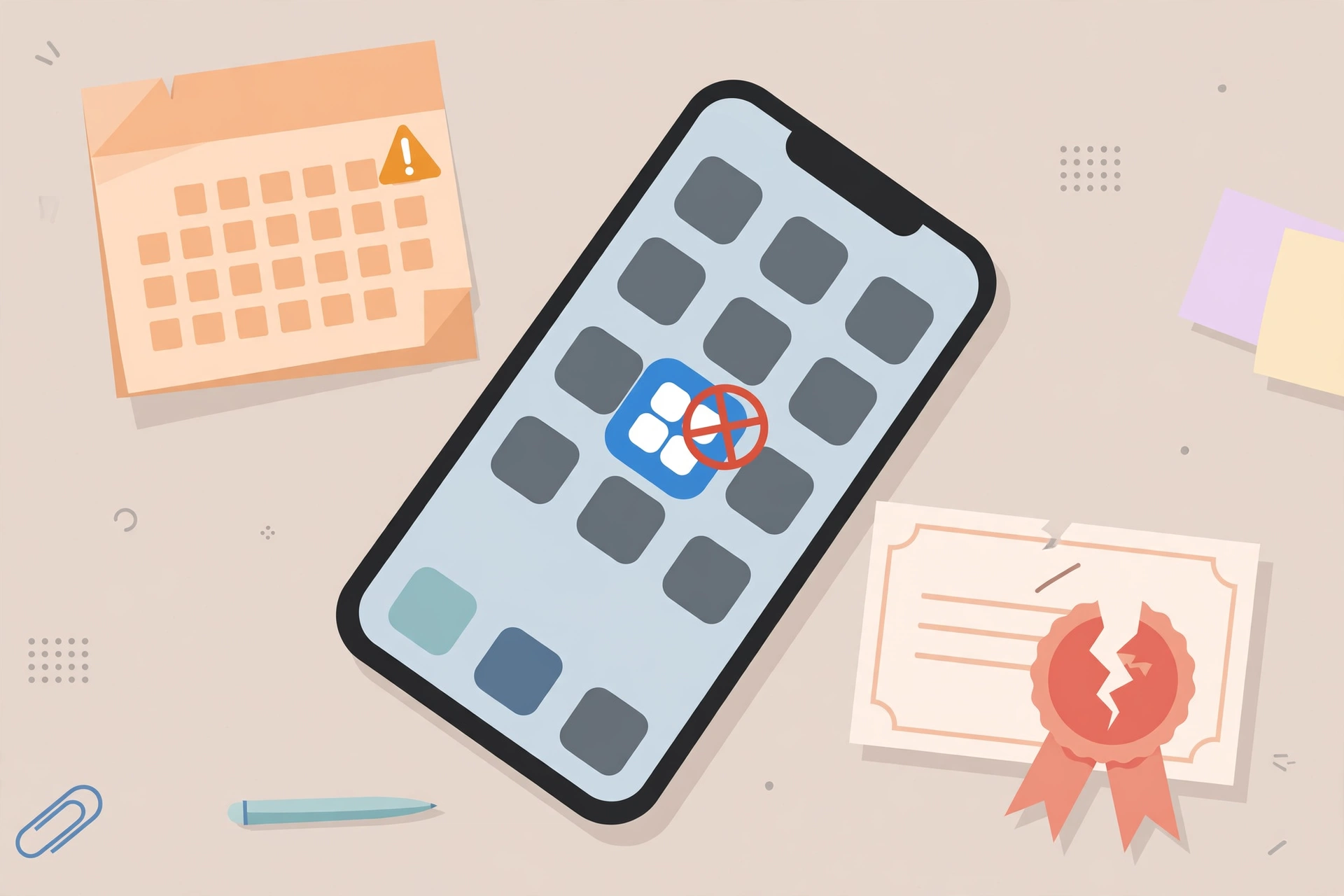
Quick Answers: iOS Sideload Delta Executor
| Question | Short answer |
|---|---|
| Can Delta be installed on iOS without a jailbreak? | Sideloading in general does not require a jailbreak, but this guide does not verify any working method for Delta Executor on iOS. Results vary and nothing is guaranteed. |
| What is the revoke cycle? | Sideloaded apps depend on certificates or signatures that expire or get revoked. When that happens, the app stops opening until it is reinstalled or re-signed. |
| What is the safest general approach? | Avoid untrusted sources, never enter your main Apple ID details into unknown services, and consider options that do not involve sideloading at all. |
For the current state of the app, check the Delta Executor status page before trying anything.
What Sideloading Means for a Delta Executor iOS Sideload
Sideloading is installing an app outside the official store. On iOS, that means the app did not come from the App Store review process.
Apple restricts this by design. In general terms, iOS only runs apps that carry a valid signature tied to a certificate Apple recognizes.
This is why a Delta Executor iOS sideload is not as simple as downloading a file and tapping install. The app has to be signed in a way iOS will accept, and that signature has a limited lifespan.
A signature is Apple’s way of checking who made an app and whether it can run on your device. If the signature becomes invalid, iOS refuses to open the app.
That is the core reason sideloaded apps stop working. The app itself may be unchanged, but the permission for it to run has ended.
Sideloading rules and tooling around iOS also change over time. Anything described in a forum post or video may be outdated, so treat old instructions with caution.
Before you download anything, read the safe-download guide for general advice on avoiding fake or tampered files.
The iOS Sideload Delta Executor Revoke Cycle Explained
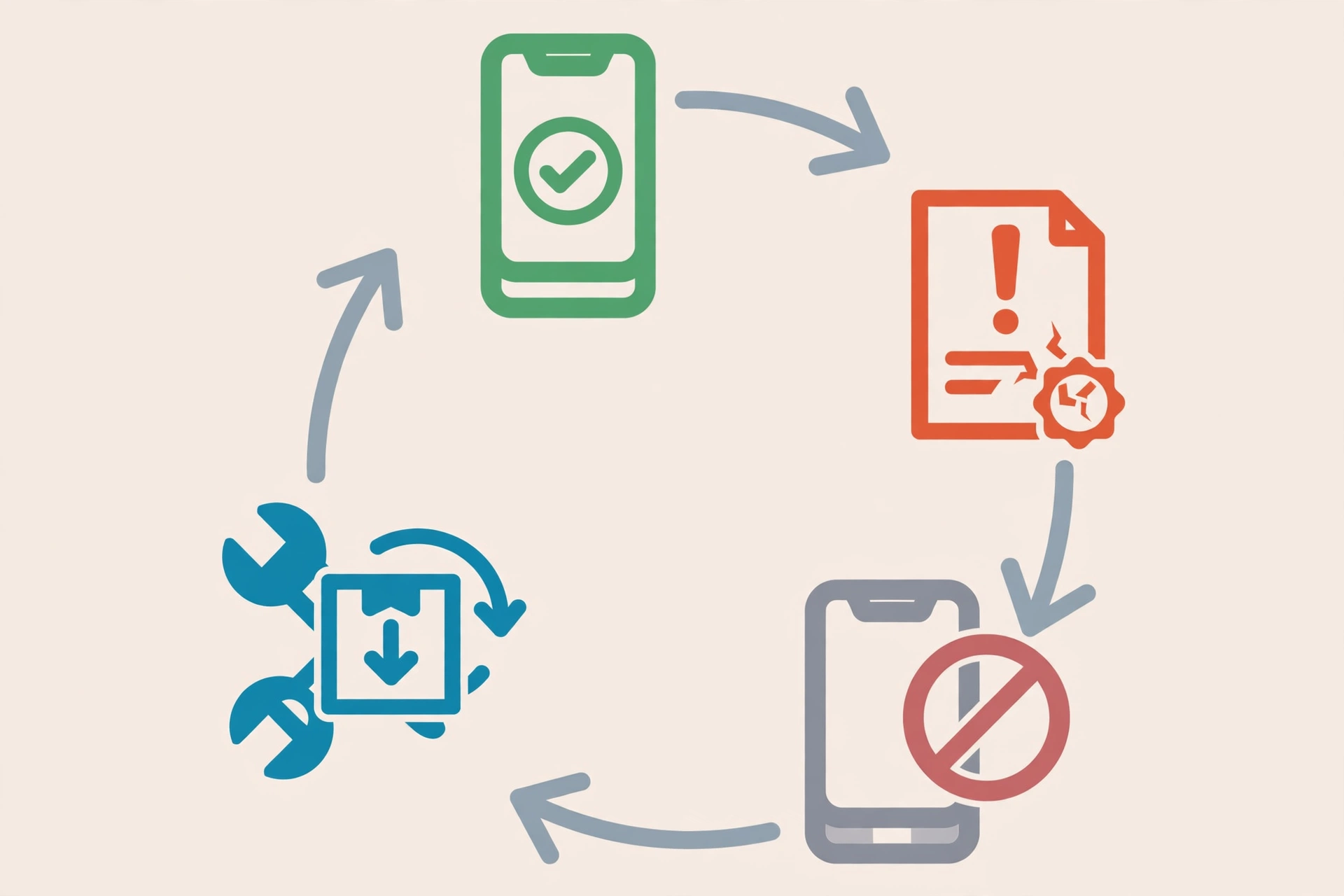
The revoke cycle is the repeating pattern in which a sideloaded app works for a period, stops opening, and then needs to be reinstalled or re-signed.
For the plain-language meaning of revoke and other executor terms, see the Roblox Executor Glossary.
Certificates expire. Every signing certificate has an end date, and when it passes, apps signed with it stop launching.
Certificates can also be revoked. In general terms, this means the certificate is cancelled before its expiry date, which immediately affects every app signed with it.
When this happens, the app icon usually stays on your home screen. Tapping it may show an error, close instantly, or prompt you to verify the developer.
The usual response is to reinstall the app or re-sign it with a fresh certificate. Which of these applies depends on how the app was originally installed.
There is no guaranteed fix. A reinstall may work for a while, or it may fail if the new signature is also revoked or the source has disappeared.
Data inside the app may be lost during a reinstall. Do not assume your settings or saved files will carry over.
Because of this cycle, anyone planning a Delta Executor iOS sideload should expect interruptions as the normal state of things, not as a rare glitch.
Methods Compared for iOS Sideload Delta Executor Setups
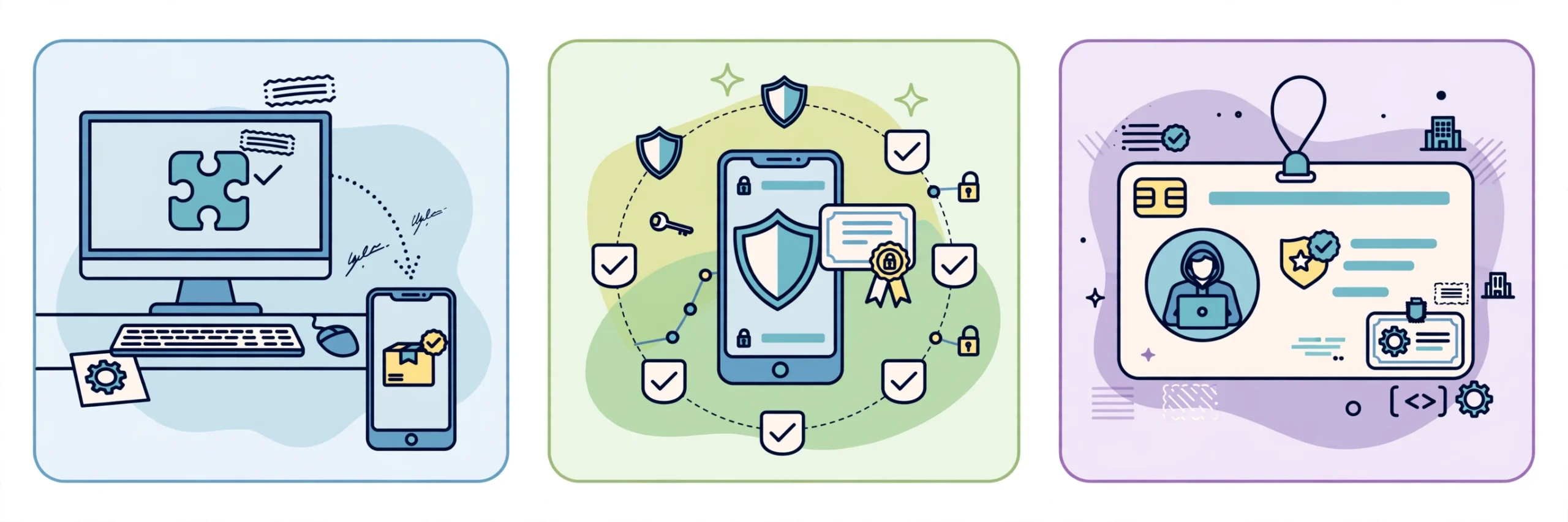
The table below compares general method types only. It does not name tools, recommend any option, or give installation steps.
| Method type | How it works in general terms | Main drawback |
|---|---|---|
| Computer-based signing | A desktop computer is used to sign an app file and place it on the device over a cable or network. | Signatures from free accounts tend to be short-lived, so the app needs frequent re-signing. |
| On-device signing services | A service or app signs the file on the phone itself, often using shared certificates. | Shared certificates can be revoked at any time, and you rely on a third party you cannot easily verify. |
| Developer account route | A paid developer account is used to sign apps under your own identity. | It costs money, ties the activity to your own account, and still does not guarantee the app will run. |
No method in this table is verified as working for Delta Executor on iOS. Each one carries its own trade-offs, and any of them can stop working without notice.
Computer-based signing keeps more control in your hands, but it asks for technical effort and regular maintenance.
On-device signing services are convenient on paper, but convenience comes from trusting someone else with your device and, sometimes, your credentials.
The developer account route offers the most direct relationship with Apple, but it is also the route where a mistake can affect an account you care about.
If you search for a sideload delta executor iPhone method, you will find many claims. Treat every claim as unverified until you have checked it against independent sources, and remember that this guide has not verified any of them.
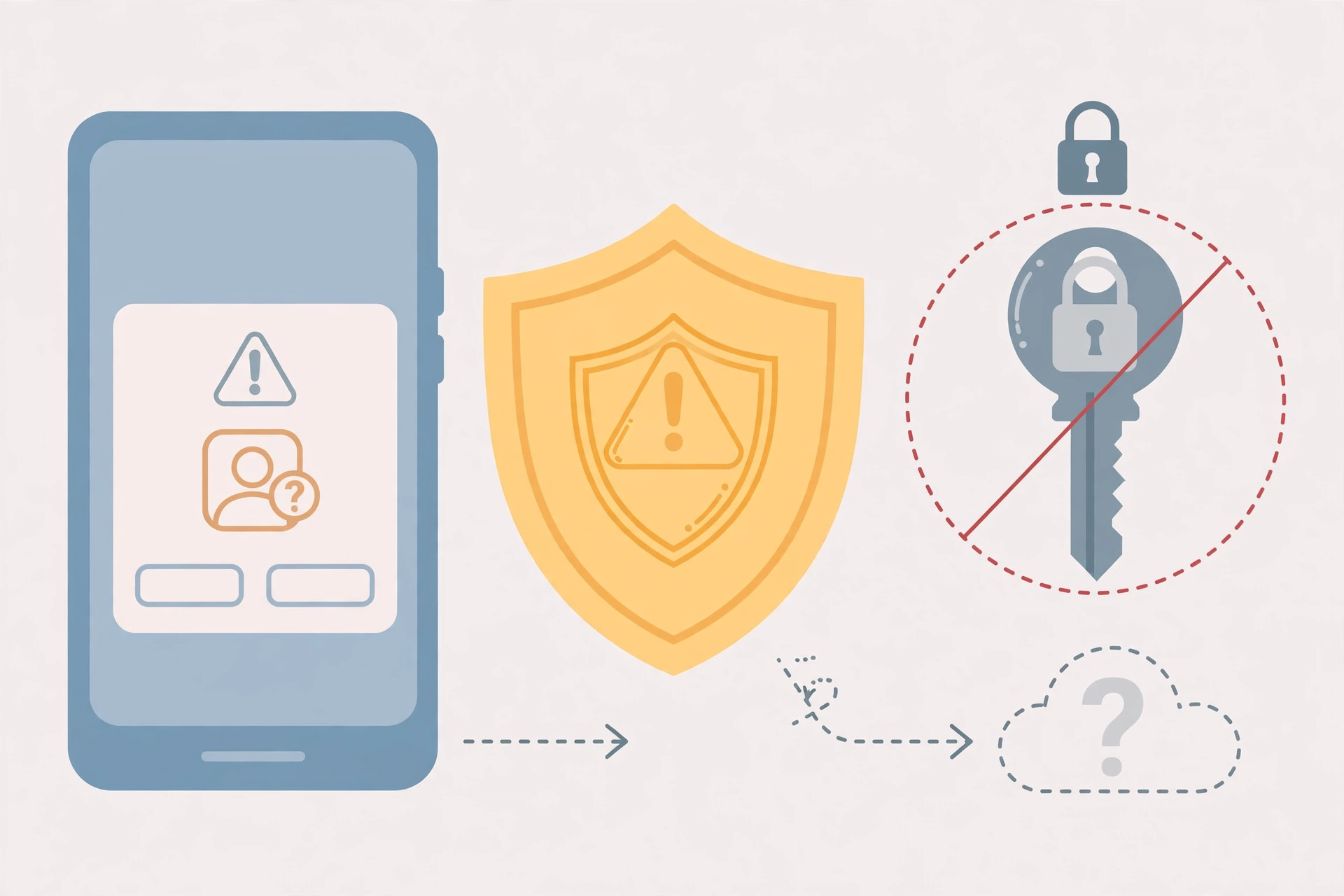
Risks to Know Before You Try a Sideload Delta Executor iPhone Setup
Sideloading carries real risks. Read them before you decide whether it is worth it.
Revoked apps. Your app can stop opening at any time. This is the most common outcome, not an edge case.
Untrusted profiles. Some methods ask you to install a configuration profile or trust a developer certificate in your settings. Trusting the wrong profile can give a third party more access than you intended.
Account risk. Methods that ask for an Apple ID can expose that account. Using your main Apple ID with an unknown service is a risk to everything linked to it, including purchases, photos, and backups.
Device risk. Files from unknown sources can contain malware or tampered code. An app signed by a stranger is only as trustworthy as that stranger.
Roblox account risk. Using any script executor can have consequences for your Roblox account, separate from the iOS issues above. Read the ban risks guide for a full explanation.
Wasted money. Paid services may stop working, change terms, or disappear. Payment does not create a guarantee.
No tool, executor, script, or download can be called safe, verified, working, or undetected based on a guide like this one. Your own judgment, and the time you spend checking sources, is the only real protection.
Alternatives if Sideloading Is Not for You
You do not have to go through a Delta Executor iOS sideload to keep enjoying Roblox. Several general alternatives exist.
Roblox Studio. If your interest is in scripting itself, Roblox Studio is the official place to learn how Roblox scripts work. You can build and test your own experiences without any third-party executor.
Playing without an executor. Many people find the standard game is enough. Skipping third-party tools removes the sideload risks and the account risks at once.
Using another device. Delta Executor is described as a mobile and PC tool, so people sometimes choose a different device instead of struggling with iOS restrictions. Read the safe-download guide first if you go that way, and check the status page for the current state of the app. For the main iOS page, see Delta Executor iOS.
Each of these avoids the revoke cycle entirely. If a sideload keeps breaking, switching to one of them may save time.
Frequently Asked Questions
No, sideloading in general does not require a jailbreak. It uses signing methods that iOS accepts, which is different from modifying the operating system. That said, this guide does not verify any working sideload method for Delta Executor, so not needing a jailbreak does not mean an install will succeed.
Your sideloaded app most likely stopped opening because its certificate expired or was revoked. iOS checks the signature when you launch an app, and a signature that is no longer valid causes the app to close or show an error. Reinstalling or re-signing is the usual response, but it is not guaranteed to work.
Sideloading is generally not a crime in itself, but the answer depends on your country and on what you install. Laws and platform rules differ by region and change over time. This is general information, not legal advice, and you should check the rules where you live.
Apple can restrict accounts that break its terms, and methods that involve your Apple ID carry that risk in general terms. How often this happens is not something this guide can state, and outcomes vary. Using your main Apple ID with an unknown service is the riskiest choice.
There is no reliable schedule for revokes. Some certificates last a short time and others last longer, and a revoke can happen without warning. Plan on interruptions rather than assuming a fixed period, and check the Delta Executor status page for current information.
Paying is a personal choice, and payment does not guarantee an app will keep working. A paid service can still have certificates revoked, change its terms, or stop operating. If you are unsure, the free alternatives above carry less financial risk.